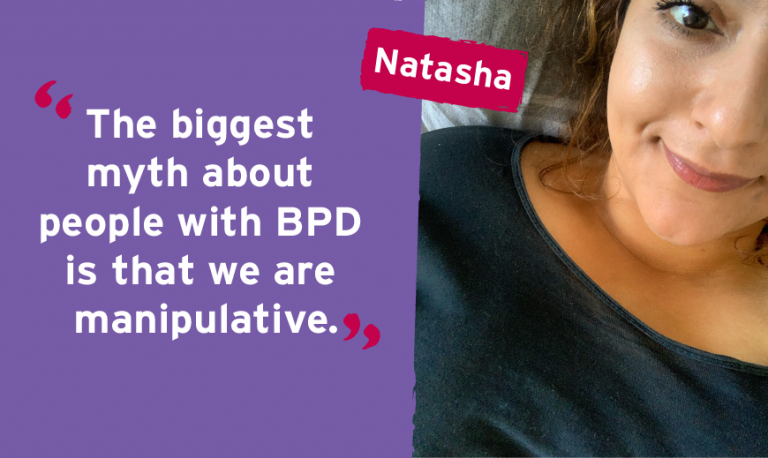
A personality disorder can affect how a person copes with day-to-day life and manages relationships, as well as how they feel and behave.
People can also receive a personality disorder diagnosis alongside other mental health problems, e.g. anxiety and depression. Personality disorders can only be diagnosed by a mental health professional, such as a psychiatrist – not by a GP.
There are different types of personality disorders and around one in 20 people live with some form of personality disorder. But it can be a controversial diagnosis, as Mind explain.
What types of personality disorder are there?
Psychiatrists often group personality disorders in to three groups, with ten types of diagnosis. These are:
Suspicious:
- Paranoid personality disorder
- Schizoid personality disorder
- Schizotypal personality disorder
- Antisocial personality disorder
Emotional and impulsive:
- Borderline personality disorder (BPD)
- Histrionic personality disorder
- Narcissistic personality disorder
Anxious:
- Avoidant personality disorder
- Dependent personality disorder
- Obsessive compulsive personality disorder (OCPD)
You can find out more about the types of personality disorders and symptoms of these at Mind.
What is it like to live with a personality disorder?
Each person’s experience of living with a personality disorder will be unique to them. However, the feelings and behaviours associated with personality disorders can be very difficult to live with. People may find their emotions confusing and hard to control.
All of us have aspects of our personality that can cause difficulties for ourselves or others. For people with personality disorders, these difficulties can feel more intense and require extra support. A range of people could receive the same diagnosis, even if their personalities and experiences are very different – people’s experiences of living with a personality disorder will always be unique.
Lots of people with a diagnoses of personality disorders have shared their experiences in our stories section.
Where can I find out more?
Visit the Mind website to find out more about personality disorders, including information on diagnosis, symptoms, treatment and self-care.
You can also find information about personality disorders on the Rethink Mental Illness website.