
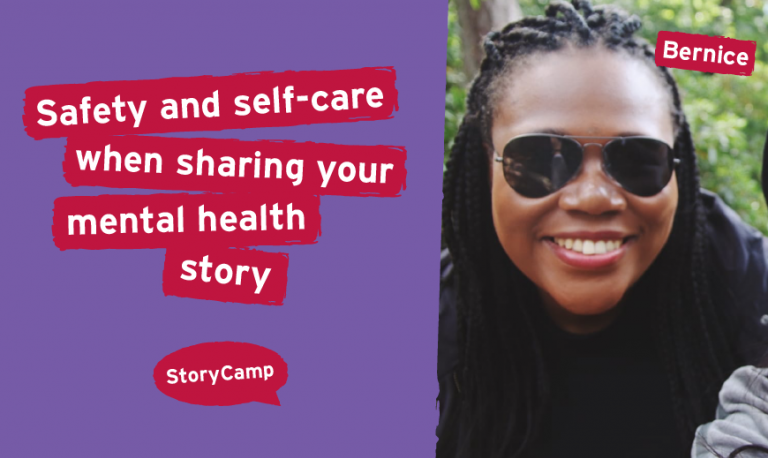
Sharing my story reminded me of the power in owning one’s life experiences, especially when it comes to mental health issues.
Stories rightly change attitudes towards mental health issues by calling society to consciously pause and think about how they treat, judge, and ultimately respond to people who live with an illness often deemed invisible, and at least one in four of those people could be someone you know and care about.
It reminded me that I have authority in not only how my story is told, but who it is told to, how much of it I share, and prioritising self care in the process.
Only share as much or as little as you are comfortable with. In sharing my stories about social anxiety and depression, I decided to only talk about what stood out to me the most at the time, and expand on those points.
Revisiting difficult times for a good cause – such as tackling mental health stigma - can be triggering, so be kind to yourself, and stop when you feel like you’ve shared enough.
You have the right to choose how much you share.
I was so nervous when I shared my first ever story with Time To Change, that I avoided social media for most of the day when I knew it would be coming out across Facebook and Instagram respectively.
I later recognised that my fear of being seen was rooted in being afraid of who might see it, and what they’d say, despite knowing my story was not one to be ashamed of. So I did something about it, by blocking and limiting visibility of my online presence with people I knew were not good for my mental health, who wouldn’t be supportive.
At first I felt guilty about it, but that came from a place of fear, where I was prioritising what people thought of me before I thought of myself.
It is not unkind to stand up for yourself by creating distance from others who you do not fully trust, feeling safe when sharing deeply personal experiences online is non-negotiable.
Another action I took to feel better about sharing my story online was to sit down and read it with my supportive parents and understanding friends before it went live; my confidence was boosted from being reassured that there is immense power in being vulnerable.
An inevitable consequence of sharing personal stories is commentary.
I want you to know no matter what, your story is valid.
Often, the people reading our stories will be coming from different perspectives and experiences of mental health issues of their own, or people close to them. Some may relate, some will have completely opposite experiences, and some may be critical.
Trolling, negativity, and harsh words might knock your confidence, or make you feel like your experience is “wrong”.
It’s important to remember one thing: do not digest the comments of strangers, what they say could be said at a time when they themselves are angry, upset, tired, or dealing with personal issues they haven’t mentioned, and taking it out on who or whatever is in front of them.
I want you to know that your story is a snapshot of YOUR life experiences, and if someone criticises your story, says you’re wrong, or attempts to hurt you with their words, remember this:
You own your truth and your story is valid, because you have lived it.
Should you wish to respond, think about how you are approached first.
If someone comes from a place of wanting to learn, and challenge their own preconceptions, give yourself a moment to think of what to say, and if you don’t know what to say, direct them to well a known and trusted organisation. Time to Change charity partners Mind and Rethink Mental Illness both provide detailed, researched and regulated information.
On the other hand should you feel attacked or really uncomfortable about having a discussion with them, please know it is okay to not respond, you are not obligated to engage in conversations that leave you uncomfortable, fearful, or triggered.
Sharing your story can be a challenging, yet rewarding way to own your experiences, change not only attitudes towards mental health issues, but also how people feel about their own mental health.
Your words are powerful, and so are you, so share only what you’re comfortable with, expect, but do not engage in criticism if you really do not want to, and remember your story matters. Your story could be a turning point for someone else, and that is incredible.