
Why use Twitter to share your story?
-
It's quick and easy to use
A character limit for each post or 'tweet' encourages short-form content and conversation. The Twitter app means you can post on the go, wherever you are.
-
There's a thriving mental health community
A lot of bloggers and mental health advocates use the platform and support each other - it's easy to connect with others.
-
You can contribute in small ways that aren’t substantial enough for a blog
A passing thought will fit in here and sometimes become a full conversation with like-minded (or otherwise!) people.
Setting up your account
You'll need:
- An email address and password
- A 'handle' or username - usually similar to your blog name
- A profile picture
- A short bio - limited to 160 characters. You can use this to introduce yourself and link to your blog.
Tweeting basics
- There's a 280 character limit for each tweet - so keep it short and sweet
- If you want to expand on your tweet, you can create a Twitter thread to link a few tweets together:
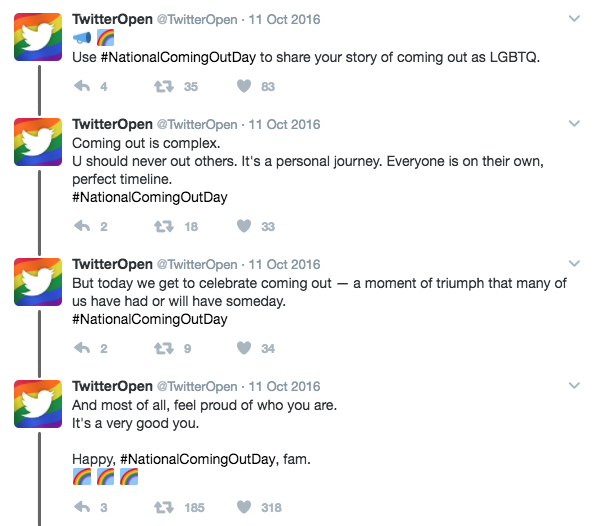
[Image sourced from Twitter]
Learn how to make the most out of Twitter threads and Moments >
-
Hashtags are less fashionable on Twitter these days - the search function is much better at picking up keywords in tweets instead. However, you can play around with including a hashtag to amplify your reach - try including #mentalhealth, or a condition related to your content e.g. #depression. People also use hashtags for Twitter Chats and commenting on events
- You can share photos, videos, gifs, or even start a poll. Just make sure all content is original and you have permission to use it.
Following and followers
It takes some time to build up followers - so don't be disheartened or compare yourself to others.
- The best way to gain followers is to post regularly, follow others and join in conversations.
- Try searching for 'mental health' and other keywords or hashtags to find people in the mental health community.
- There's a certain etiquette on Twitter that if someone follows you, you follow them back, but that's up to you!
It might sound obvious but don't: buy followers, ask people to follow you en masse, or keep follow/unfollowing people to get their attention. This is spammy and you're likely to be ignored, blocked or reported.
Keeping safe
It's exciting getting likes, retweets and replies, and on Twitter especially you can get caught up in lengthy discussion and debate. It's important to be aware of the impact of social media on your own mental health.
- How is your time online making you feel? If you find yourself feeling angry, upset, anxious or concerned, it's okay to step away for a while.
- You can change notification settings in Twitter and on the app, and even switch them off entirely, which can help to create space away from social media.
- Twitter also has privacy settings that you can change at any time.
- You can mute, block or report users if you don't want to engage with them.
- Be mindful about the types of information you share online. Sharing your real-time location, times when you'll be away from home for extended periods, etc. can be risky.
Read more about staying safe online >
Useful resources
Help center - Twitter
How to Write a Good Twitter Bio: Tips, Ideas, and Examples - Hootsuite
Tips for Twitter threads and Moments